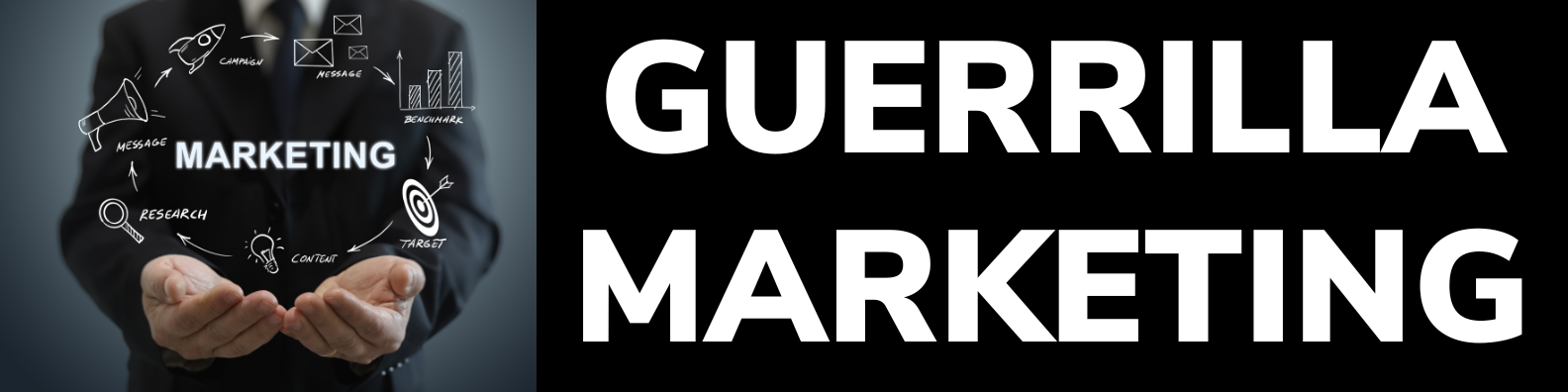
Guerrilla marketing is one of the most creative and disruptive strategies in the world of modern advertising. Instead of relying on big budgets, polished commercials, and large-scale campaigns, guerrilla marketing thrives on unconventional tactics designed to surprise, engage, and stay in the minds of audiences long after they encounter the message. At its core, it’s about doing more with less—using imagination, strategy, and boldness to capture attention in ways traditional marketing simply can’t match.
Originating in the 1980s through the work of Jay Conrad Levinson, guerrilla marketing was developed as a way for small businesses to compete against larger companies with significantly more resources. The philosophy remains the same today: creativity beats cash. By tapping into human curiosity and emotion, businesses can transform ordinary spaces into extraordinary marketing experiences.
One of the defining features of guerrilla marketing is its reliance on unexpected, high-impact execution. This can include street art, flash mobs, public installations, viral stunts, or humorous interactions that feel spontaneous and personal. Whether it’s a giant 3D sidewalk painting promoting a movie or a clever sticker placed on a city bench, the goal is always to interrupt the everyday routine and create a moment worth talking about. In today’s social media-driven world, these moments often spread far beyond their physical location, generating viral exposure without the cost of mass advertising.
Another strength of guerrilla marketing is its ability to create emotional connections. When people encounter something surprising or clever in their environment, it triggers curiosity, amusement, or excitement. These emotions not only make the brand memorable but also increase the likelihood of sharing the experience with others. Word-of-mouth remains one of the most powerful marketing tools, and guerrilla tactics naturally spark conversation.
A successful guerrilla campaign requires understanding the target audience deeply. Marketers must know where the audience spends time, what captures their attention, and what cultural or social triggers they respond to. The execution must be quick, relevant, and aligned with the brand’s personality. When done correctly, it can create immense buzz with minimal cost. However, poorly planned campaigns can confuse customers or even cause backlash, so clarity and intention are essential.
Guerrilla marketing is especially effective for startups, small businesses, and online creators who want to stand out in crowded markets. With limited budgets, they can leverage bold ideas to draw attention faster than traditional marketing methods allow. Even larger brands use guerrilla strategies to stay culturally relevant and connect with their audience in more human, playful ways.
In a world where consumers are bombarded with thousands of ads every day, guerrilla marketing cuts through the noise by offering something real, surprising, and memorable. It turns everyday environments into immersive brand experiences and transforms spectators into participants. Ultimately, guerrilla marketing proves that creativity—not money—is the most powerful tool in any marketer’s toolbox.