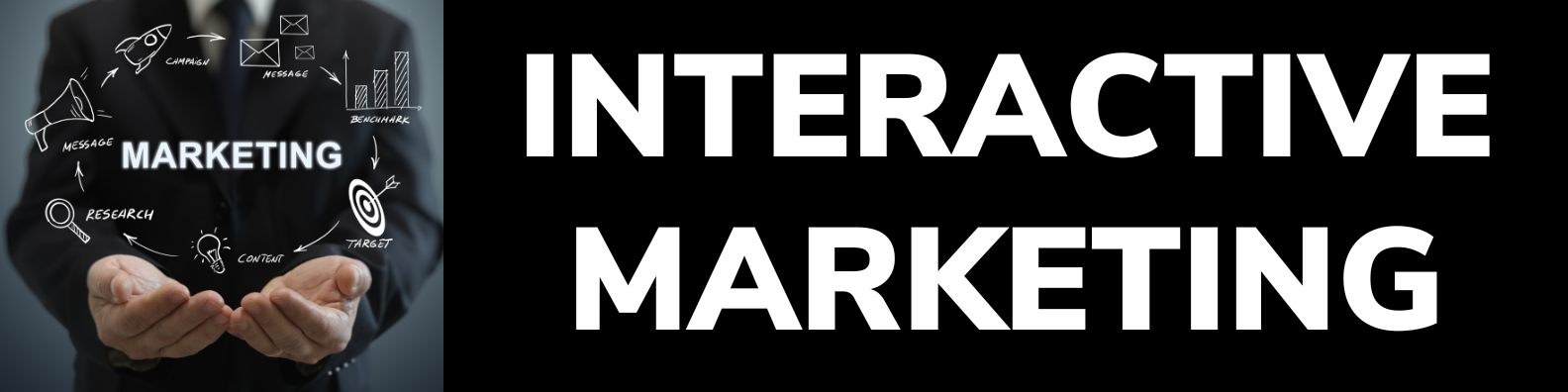
Interactive Marketing: Engaging Audiences Through Experience
Interactive marketing is a strategy that focuses on creating two-way communication between brands and their audiences. Instead of delivering one-sided messages, interactive marketing invites users to participate, respond, and engage in real time. This approach transforms passive consumers into active participants, strengthening relationships, increasing brand loyalty, and driving higher conversion rates in an increasingly competitive digital landscape.
At its core, interactive marketing is about engagement. Modern consumers expect personalized, relevant, and engaging experiences rather than generic advertising. Interactive elements such as quizzes, polls, surveys, calculators, interactive videos, live chats, and social media interactions allow brands to capture attention while learning more about their audience. This exchange of value—entertainment or utility in return for engagement—creates a more meaningful connection than traditional marketing methods.
One of the biggest advantages of interactive marketing is personalization. When users interact with content, they provide valuable data about their preferences, behaviors, and needs. Brands can use this information to tailor future messaging, offers, and experiences. For example, an interactive quiz can recommend a product based on user responses, making the marketing feel helpful rather than sales-driven. This level of personalization increases trust and makes customers feel understood, which is critical for long-term brand success.
Interactive marketing also boosts engagement metrics. Content that requires participation naturally keeps users on a page longer and encourages repeat visits. Interactive videos, for instance, allow viewers to choose what happens next, creating a sense of control and curiosity. Similarly, social media polls and question stickers invite instant interaction, increasing reach and visibility through platform algorithms. Higher engagement often leads to better brand recall and stronger emotional connections.
Another key benefit is improved conversion rates. Interactive experiences guide users through a journey rather than pushing them directly to a sale. Tools like ROI calculators, product configurators, or interactive demos help users see the value of a product before purchasing. By educating and involving the customer, brands reduce friction in the buying process and increase confidence in the final decision.
Interactive marketing is also highly adaptable across channels. Websites, email campaigns, social media platforms, mobile apps, and even in-person events can all incorporate interactive elements. For example, interactive emails with clickable content or embedded polls can significantly outperform static emails. Live streams and webinars with Q&A sessions further enhance real-time engagement and credibility.
However, successful interactive marketing requires thoughtful execution. The experience must be simple, intuitive, and genuinely valuable to the user. Overly complex or gimmicky interactions can frustrate users and harm the brand. Clear goals, strong design, and meaningful incentives are essential for maximizing results.
In conclusion, interactive marketing represents a powerful shift from broadcasting messages to building conversations. By engaging audiences through participation, personalization, and real-time interaction, brands can create memorable experiences that drive trust, loyalty, and growth. In a world where attention is scarce, interactive marketing helps brands stand out by making customers part of the story rather than just the audience.